History of New York: From New Amsterdam to the Center of the World
Introduction: The Metropolis of Constant Evolution
How did a small trading colony founded by Dutch settlers in the 17th century transform into the most influential metropolis on the planet? The story of New York is an epic tale of ambition, immigration, and constant reinvention. Every street, skyscraper, and neighborhood tells the story of a people who have never stopped building themselves.
At Real's Tours NYC, we're experts on the history of the Big Apple. Below, we take you on a journey through the key stages that transformed this Atlantic port into the world's capital of finance and culture.
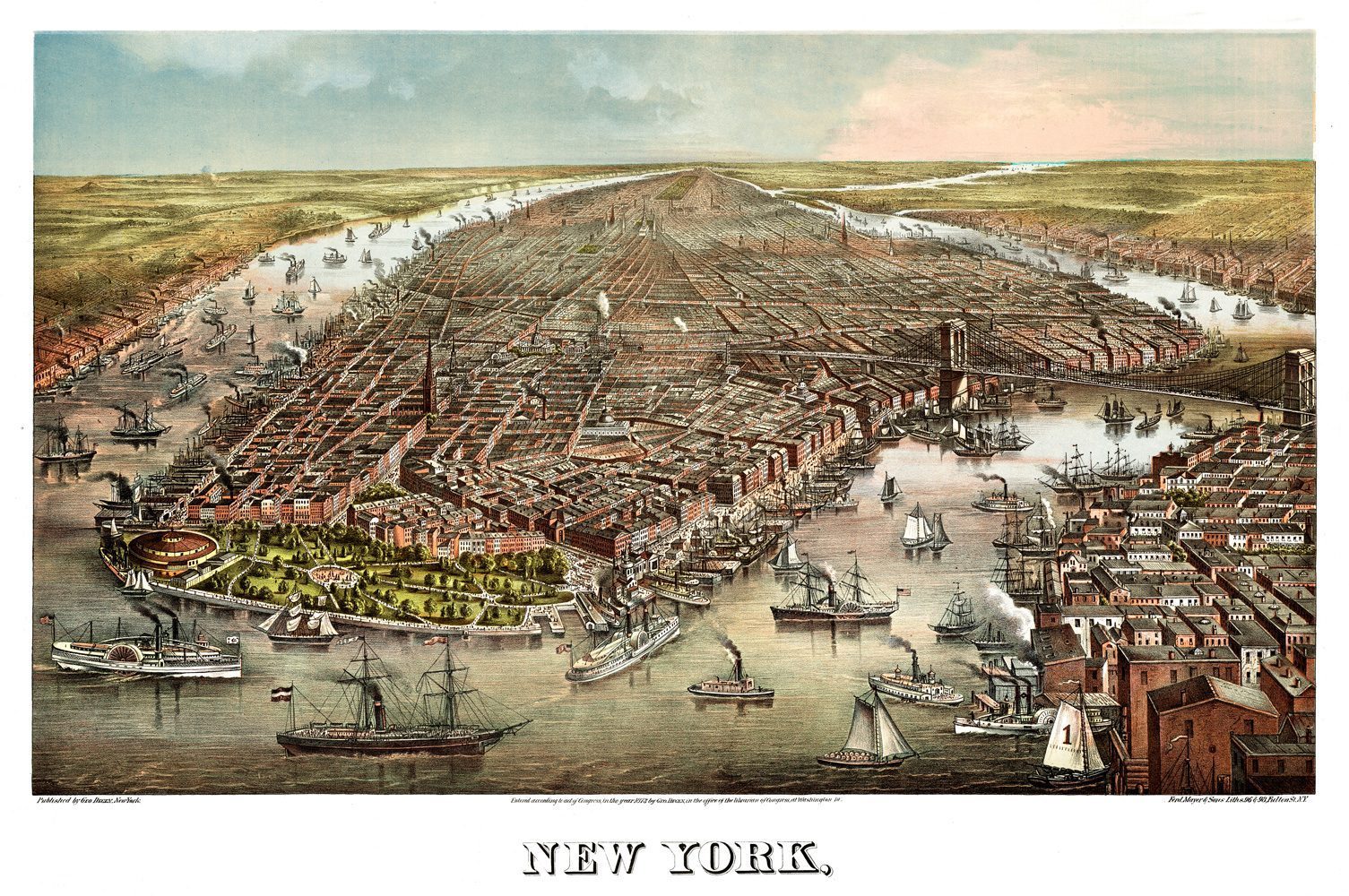
1. The Beginnings: From Lenape to New Amsterdam (1609–1664)
Before it was New York, this land was inhabited by the Lenape people.
- Discovery: In 1609, explorer Henry Hudson sailed for the Dutch, leading to the colonization of the area as New Netherland.
- The Purchase: In 1626, Peter Minuit purchased Manhattan Island from the Lenape for goods worth 60 florins.
- Wall Street Roots: The name Wall Street comes from a defensive wooden wall built by colonists to protect the settlement of New Amsterdam.
2. British Rule and American Independence (18th Century)
In 1664, an English fleet seized the settlement, renaming it New York. After the Revolutionary War, the city briefly became the first capital of the United States, where George Washington was inaugurated as the first president.
3. A Century of Growth and Mass Immigration (19th Century)
The 19th century solidified New York as a true metropolis.
- Economic Engine: The Erie Canal (1825) made NYC the country's most important commercial port.
- The Gateway: Millions of immigrants arrived through Ellis Island, creating diverse enclaves like Little Italy and Chinatown.
- Urban Planning: The Commissioners' Plan of 1811 created the Manhattan grid, and Central Park opened in 1857.
4. The 20th Century: The Global City
The rise of skyscrapers like the Empire State Building and the Chrysler Building defined the modern skyline. Following the Harlem Renaissance and the installation of the UN Headquarters, New York cemented its status as the world's financial and diplomatic center.


